Every producer planning an overseas shoot reaches the same fork: bring your own crew and equipment, or hire both on location. Neither answer is right every time. The best choice depends on the kit you need, the people you trust, the paperwork involved and how much risk your schedule can take. This guide sets out the factors so you can decide with facts rather than habit.
Start with the spec, not the price
List what the shoot truly needs: cameras and lenses, sound, lighting, grip, drones, monitors, data storage and any specialist items. Then note the delivery format, because a broadcaster’s technical requirements may exclude certain cameras or codecs. With a clear spec you can ask for like-for-like quotes. Without one, you compare packages that are not equivalent and a cheap quote becomes expensive when you add what was missing.
The case for hiring locally
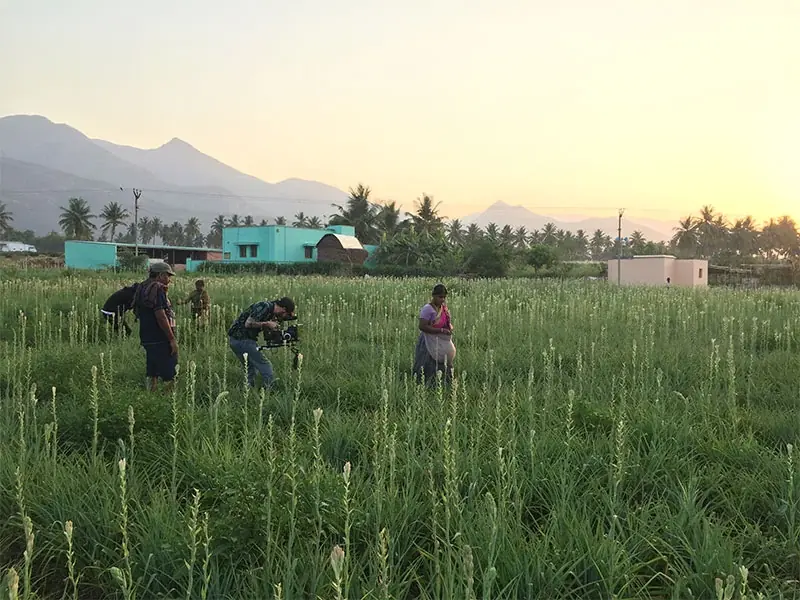
Local hire removes the logistics of moving heavy cases across borders. There is no shipping cost, less exposure to customs delays and no risk of lost or damaged kit in transit. Local crews also know the conditions: power supply, dust, heat, humidity, traffic and where to find spares. For short shoots and remote productions, this can be the most reliable choice. Our crew and equipment hire service is built around this: patient, skilled crews and dependable kit where you need them, matched to your budget.
The case for bringing your own
Your own camera package is a known quantity. If a director of photography has a particular lens set, if the project is a series with a consistent look, or if the camera is unusual, shipping it may be worth the effort. Bringing your own crew also keeps working relationships intact. If you do ship, plan for the paperwork, insurance and the time to clear equipment, and always have a fallback if a case is delayed.
A hybrid is often the answer
Many productions mix the two: a key creative such as the director of photography travels, while grip, lighting, sound and assistants are hired locally. Alternatively the camera body and favourite lenses come with the crew, while support kit and vehicles are local. This keeps the look you want and reduces freight. It does require clear communication about who supplies what, written down.
Paperwork and insurance
Professional equipment often needs to be declared when it crosses a border, and in some places it requires temporary-import documents. Rules differ by country, change over time and depend on the equipment and the length of stay. Do not assume. Ask a local producer or the relevant authority what applies to your kit and dates. Make sure your insurance covers the equipment in transit and on location, and confirm what local hire companies cover for theirs. Our risk, safety and insurance briefing covers this in more detail.
Check local crew properly
Quality varies in every country. To vet a crew, ask for credits on comparable work, speak to the producer and the director of photography, and see sample footage from similar conditions. For important shoots, run a short paid test, such as an interview and cutaways, before committing. Check that the crew understands the language of the brief, the working hours expected and the way your approvals will work. This is another area where an experienced line producer adds value, since they know who is dependable.
Spares, backup and support
The real cost of a failure on location is the day it takes to replace the kit. Ask for spares of the items that stop the shoot: a spare camera body or at least a backup, spare batteries, cards, cables and a second microphone. Know where the nearest repair or replacement is and how quickly it can arrive. For remote locations, carry more.
Data management
Agree who handles the media from the moment the card leaves the camera: copying twice to separate drives, checking files, labelling and storing. If the crew is local, make sure your data requirements are written into the agreement. A strong data routine protects the whole production.
Questions to ask a rental house
Before you accept a quote from an equipment supplier abroad, go through a short list. Is the kit exactly what you specified, with serial numbers or model details in writing? What is the condition and age of the main items? What is the policy if something fails, and how quickly will a replacement arrive? Are batteries, media, cables and consumables included? Who is responsible for loss or damage, and what deposit is required? Can you test the equipment before the shoot day? Rental houses that welcome these questions are usually the ones that look after their kit.
Working conditions to plan for
Equipment that performs in a studio can struggle in extreme heat, dust, humidity or cold. If you are shooting in demanding conditions, ask the local crew how they protect and cool their cameras, how they handle batteries in heat and what they do about dust on lenses. Plan shade, rain covers and cleaning supplies. Local crews are usually experienced here, which is another reason to listen to their advice on kit choices and timing.
Agree responsibilities in writing
Whichever route you choose, write down who supplies what, who pays for what and who is responsible if something goes wrong. A one-page crew and kit list, signed off by both sides, prevents arguments on the day. Include call times, overtime rules, meals, transport and the process for approving changes.
Compare the total cost
| Cost item | Hire locally | Ship your own |
|---|---|---|
| Rental or depreciation | Rental fee | Your own kit cost |
| Freight and handling | None or small | Outbound and return |
| Paperwork and customs | Minimal | Time and possible fees |
| Insurance | Often included in hire | Your policy must cover transit |
| Risk of delay | Low | Higher |
| Look consistency | Depends on kit available | High |
Next step
Tell us your destination, dates and kit list, and we will say what can be hired reliably and what is worth bringing. You can also see the range of productions we have supported in our portfolio.
To discuss a shoot, email anshul@stand4productions.com, call or WhatsApp +91 98718 33930, or send your brief through our contact page. We are based in India and work worldwide.