Do you need permission to film in India?
In most cases, yes. Foreign productions generally need approval before shooting, and the rules depend on what you film, where, with which equipment, and whether it is for broadcast or commercial use. There is also a government facilitation route for foreign productions, and individual locations add their own permissions on top.
The practical advice is to start early. Approvals can take weeks, and one missing letter can cost a shoot day. A fixer prepares the applications, tracks them, and tells you what you can safely schedule while you wait.
Visas and crew entry
Crew members enter on a visa category that matches the work they will do. Which category is right depends on the nature of the shoot and the nationalities involved, and getting it wrong can cause problems at the border or during filming. We recommend confirming the category for every crew member well before you book flights, and we can supply supporting letters for your application.
Bringing equipment and drones
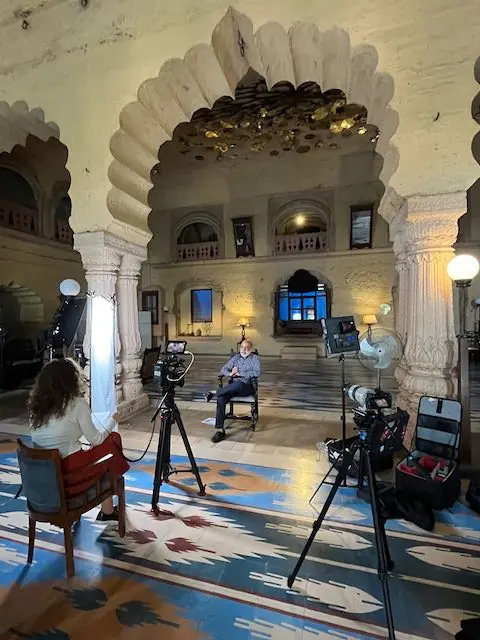
Bringing professional kit into India involves customs paperwork, usually temporary import documents, and it is wise to plan extra time for clearance. Many visiting productions rent locally to avoid the delay, and we can supply cameras, lighting, sound and grip.
Drones are tightly regulated. Flights need prior approval, and restrictions apply in many areas, including near sensitive sites, airports and borders. Never assume that a drone permitted in one country can fly in another. We confirm what is possible for your locations and arrange a licensed operator where it is.
Protected sites, wildlife and public places
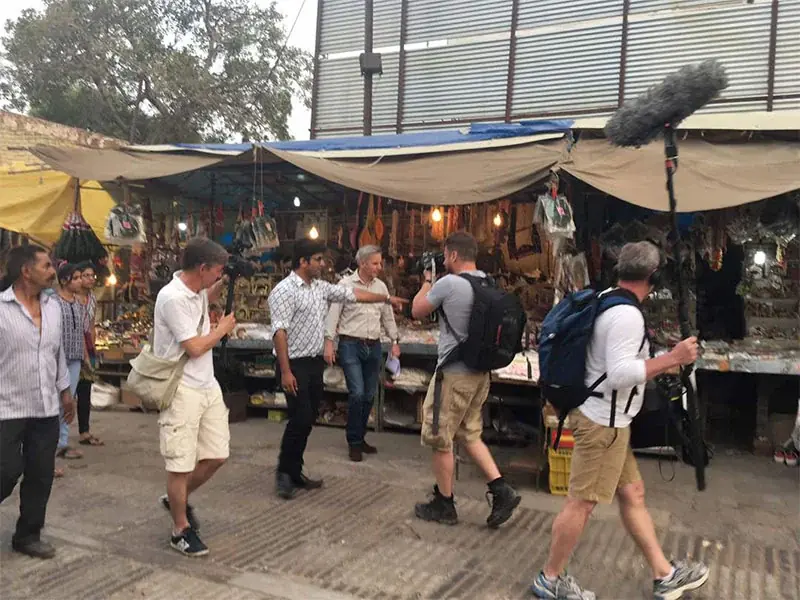
Monuments, national parks, wildlife areas, temples and railway or metro spaces each have their own authority and their own fees and conditions. Filming in busy public places, such as bazaars and ghats, usually works best with local liaison and a small, patient crew. We handle introductions and permissions so you can focus on the shots.
The best time to shoot
India covers desert, mountains, coast, plains and forest, so the best season depends on where you are going.
- October to March: generally the most comfortable weather across much of the country, and the busiest season for crews and tourists.
- April to June: very hot in the plains, but good for high-altitude areas and for visually dramatic pre-monsoon light.
- June to September: monsoon. Beautiful for greenery and atmosphere, harder for schedules and access in many regions.
Festivals and holidays add colour and also crowds and closures, so tell us the dates you are considering and we will check them against the calendar.
What drives the cost
India can be very cost effective, but a fair estimate depends on your brief. The main drivers are:
- Crew size and number of shoot days
- Number and type of locations, and how far apart they are
- Permits, location fees and any special approvals
- Equipment, including whether you bring it or rent locally
- Travel, accommodation, transport and insurance
- Translation, talent, casting and post production
The quickest way to a real number is a short brief. We reply with an itemised estimate, so you can see where each cost comes from and what to adjust.
Locations that work on camera
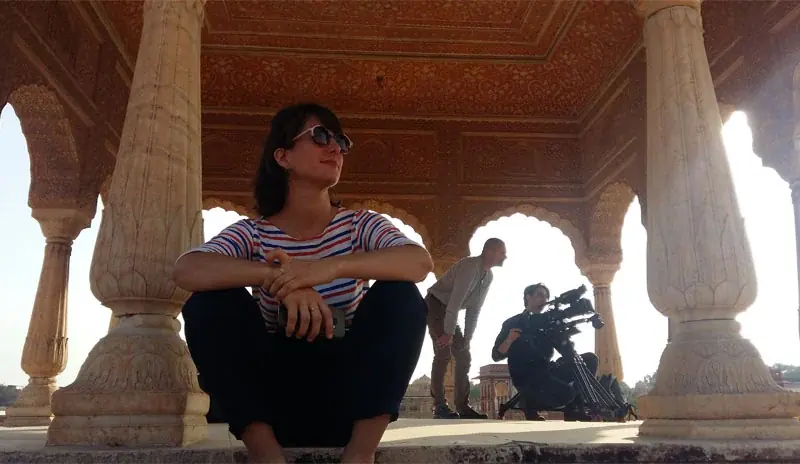
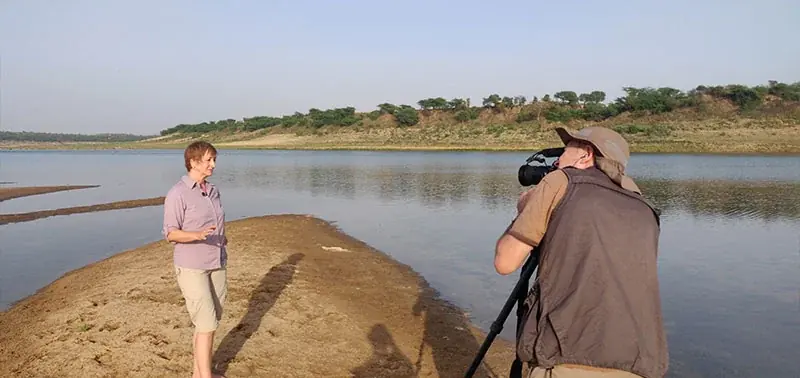
We have filmed across the country, including heritage cities and forts, sacred rivers, rural villages, wildlife habitats, mountain towns and modern metros. Our work includes productions in places such as Jaipur, Ajmer, the Ganga river and Goa. If you are not sure where your story belongs, ask for a recommendation, and we will match locations to your look, schedule and budget.
People, language and etiquette
India rewards patience and good manners. A local fixer who speaks the languages, knows the customs and has relationships on the ground is often the difference between a tense day and a great one. We bring interpreters and crew who speak English, Hindi and regional languages, and we can add French, Spanish or Italian speakers for your team.
A pre-production checklist
- Treatment, script or shot list shared with your fixer
- Dates, locations and crew list confirmed
- Visa category confirmed for each crew member
- Permits and location permissions applied for
- Equipment plan: bring, rent, or both
- Drone approvals, if aerials are needed
- Insurance and safety briefing arranged
- Translators, talent and releases lined up
- Contingency plan for weather and access
Frequently asked questions
As early as you can. Permits, visas and location approvals need lead time, and early advice often changes the plan for the better.
Yes. Many of our clients first called us when another arrangement fell through. Send the details and we will tell you quickly what can be recovered.
Yes. India is our home base, and we coordinate productions in other countries too. See where we work.
Planning a shoot in India?
Share your brief and dates and we will reply with a plan, a permit overview and an itemised estimate.
Plan your shoot →