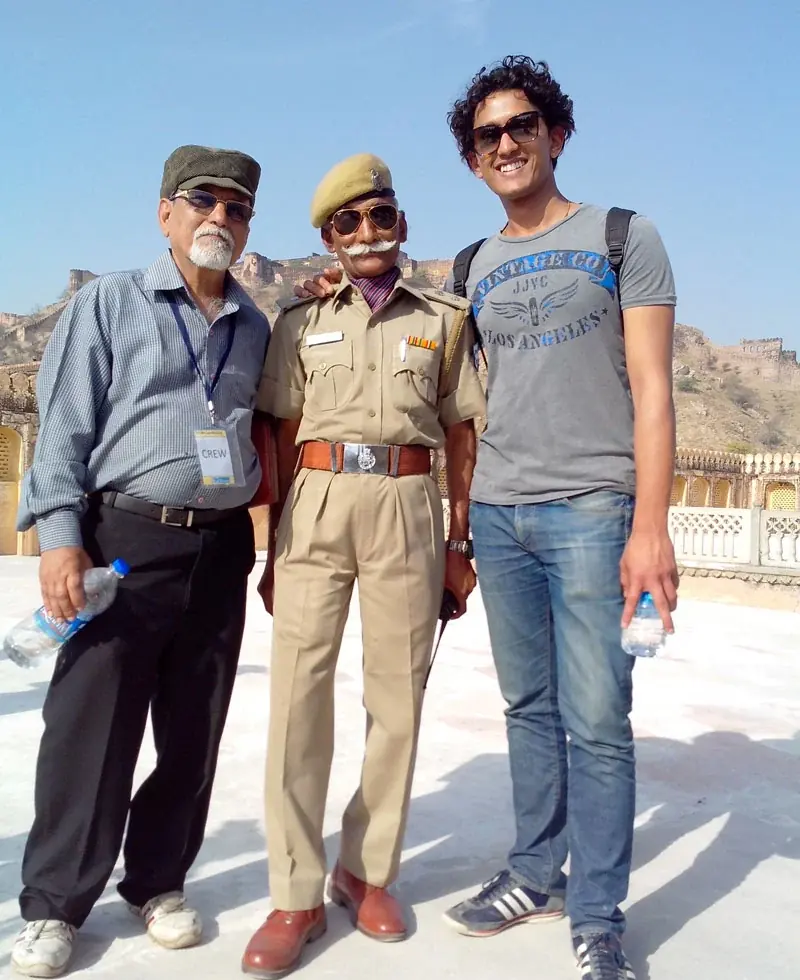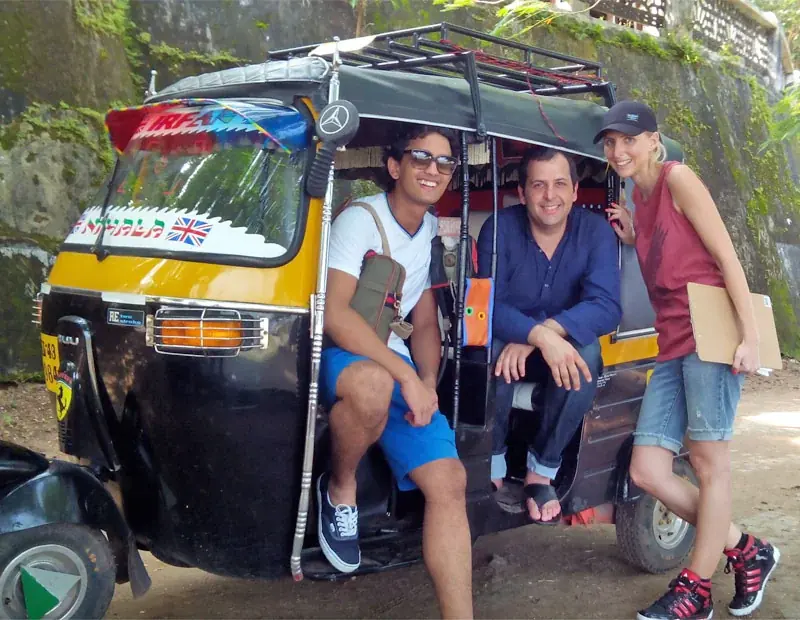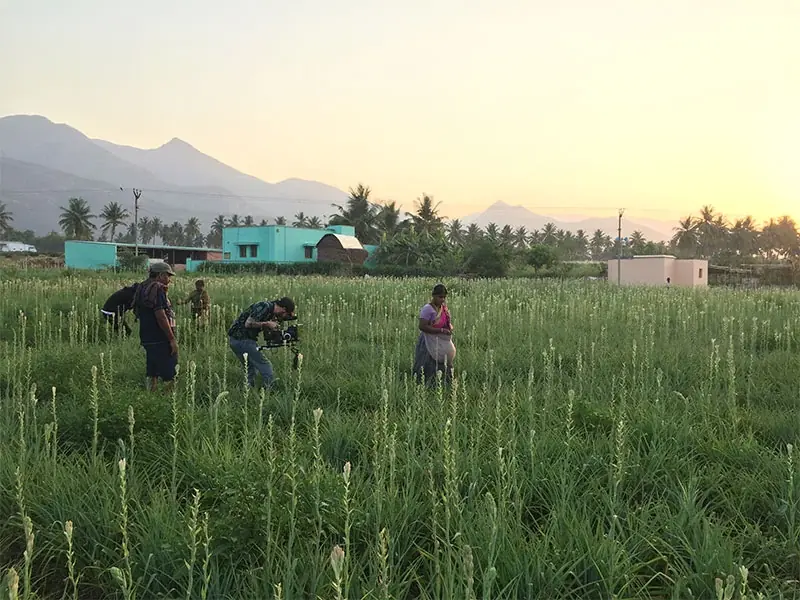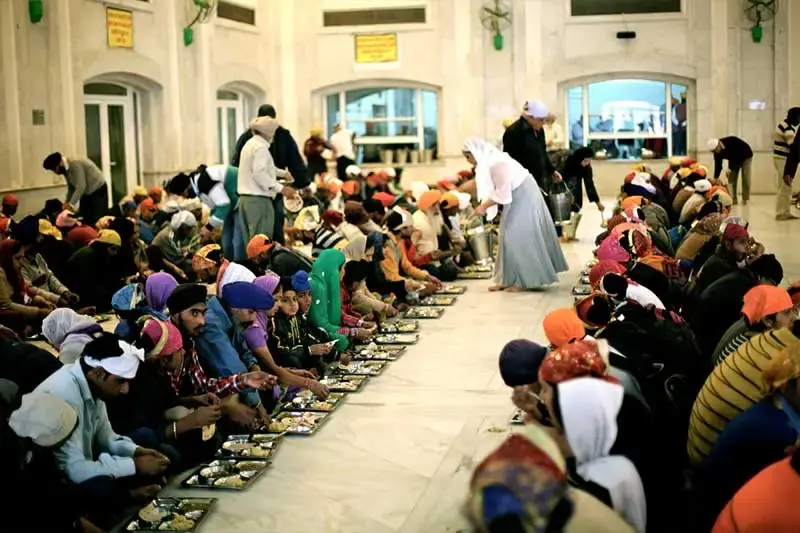
The people on screen decide whether a film works. Abroad, casting is harder: you may not speak the language, you may not know who is good, and the norms for fees, agents and consent may differ from what you expect. This guide covers how to cast presenters, actors and real people for a shoot in another country, with practical advice on briefing, auditions, language, releases and fair terms.
Know what kind of person you need
Casting for a drama differs from casting for a documentary or a commercial. An actor is trained to repeat a performance. A presenter has to hold a camera, a crew and an audience. A real person, such as a farmer, a shopkeeper or a student, brings authenticity but may be nervous and unused to retakes. Be clear about which you are looking for, because the process, the fee and the risks are different. Our casting service finds people who are right for the story, not only for the camera.
Write a casting brief that works
A good brief makes selection faster and fairer. Include:
- The role and what the person will actually do on camera
- Languages and accents needed, and the level of fluency
- Age range, look and any physical requirements, stated only where relevant
- Experience: professional, semi-professional or first-time
- Dates, location, working hours and travel needs
- Filming conditions, such as heat, water, height or sensitive subjects
- The fee, expenses and usage terms, or how these will be agreed
The more honest the brief, the fewer people drop out after they hear the details.
Running auditions across distance
Remote casting is common. A local casting team collects self-tapes, or runs short auditions and sends the clips. Ask them to record in a consistent way: same framing, same questions, same lighting, with the person stating their name and a few basics. For presenters, include a short unscripted section, since performance often changes when the script goes away. For real people, a relaxed conversation shows how they will behave in an interview. Review the clips with the director and agency, then request callbacks by live video if needed.
Language and communication
If the director and the person on screen do not share a language, plan interpretation early. An interpreter helps the director judge performance and helps the person feel comfortable. For scripted work, check the pronunciation of lines with a native speaker and consider whether the person is genuinely at ease in the language, not just able to read it. Our guide to interpreters, transcription and subtitling shows how language support fits around a shoot.
Releases, consent and understanding
Everyone who appears on camera should understand what they are agreeing to. Provide a release in a language they read, explain it in plain terms and give them time to ask questions. Cover where and how the footage may be used, for how long, and what happens if they change their mind. For minors, vulnerable people or sensitive subjects, take extra care and follow the requirements of your broadcaster or legal adviser. We do not give legal advice, but we make sure the translation, explanation and paperwork are ready.
Fair fees and expectations
Fees depend on the production type, the person’s experience, the usage and local practice. Instead of guessing, ask a local producer what is reasonable and agree it in writing before the shoot. Cover the day rate or fixed fee, overtime, travel, meals, wardrobe and any usage payments. For non-professional contributors, a fair arrangement is partly about respect: they are giving time and trust to your film. Treating them well also protects your reputation and makes future access easier.
Looking after the people on camera
Welfare matters. Make sure people know the schedule, have water, shade and breaks, and have a contact if something worries them. For presenters travelling with the crew, confirm accommodation, transport and safety. For contributors in their own communities, consider how the film may affect them afterwards. These points belong in your planning, alongside the risk and safety plan.
Presenters versus actors versus real people: what to test
Each type of on-screen person needs a different test. With presenters, look for curiosity, warmth and the ability to talk naturally while walking, listening and reacting; ask them to introduce a place they have never seen. With actors, test range and the ability to take direction, including in a language that is not their first. With real people, test comfort: a conversation about their work or daily life shows whether they relax when the camera is on, and whether they enjoy telling the story. Try to see each candidate in a setting close to the real one, because someone who is charming in an office may freeze on a busy street.
Common casting mistakes abroad
- Casting from photographs alone. Always see them move and speak.
- Underestimating the physical demands. Heat, long days and travel tire everyone.
- Not agreeing terms early. Surprises about fees or usage ruin goodwill.
- Using a single source. Different networks produce different kinds of people.
Backup choices and last-minute changes
People get ill, change their minds or cannot travel. Keep a second choice for key roles and tell them they are on standby. If a replacement is needed, decide in advance who has the authority to approve one. Avoid casting anyone you have not spoken to directly, even if the tape is excellent.
Make people comfortable on the day
Even a well-cast person can struggle if the set feels intimidating. Introduce the crew, explain what will happen and let them see the camera and microphone before filming begins. Keep the crew small around a nervous contributor, give them time to settle and avoid long waits with the camera on. A short conversation before the first take often does more for the performance than any amount of direction.
Examples from our work
Our portfolio includes presenter-led travel shows, documentaries with real contributors and advertising work. You can explore these in the portfolio. Each project had its own casting needs, which is why we start from the brief rather than a template.
Talk to us about casting
Tell us the roles, languages, dates and location, and we will explain how we would run the search and what to expect.
To discuss a shoot, email anshul@stand4productions.com, call or WhatsApp +91 98718 33930, or send your brief through our contact page. We are based in India and work worldwide.