Travel and reality formats are logistics problems wearing a creative costume. A game show that crosses a country, a challenge that moves from city to village, a travel series with a new location every day: all of them depend on vehicles being where they should be, crew being fed and rested, contributors being safe and the next location being ready. This article explains what producers should plan when taking a travelling format abroad, drawing on the kind of work we have supported in our portfolio.
Plan the route before the content
In a fixed-location shoot, the schedule bends around the set. In a moving format, the schedule bends around the route. Start by mapping the journey: distances, driving times, border or state crossings, road conditions and the time of day you can realistically arrive. A beautiful location that takes six hours to reach may cost you the filming day. Ask a local team to review the route for real travel times, not map estimates, and to flag stretches where weather or festivals may cause delays.
Build the daily machine
Each shooting day needs the same backbone: call times, transport, meals, rest, locations, permissions and a clear point of contact. For a format with contestants or presenters, add welfare and safety checks. Our logistics service exists to keep that backbone steady, so the creative team can focus on the content.
Three practical points make the biggest difference:
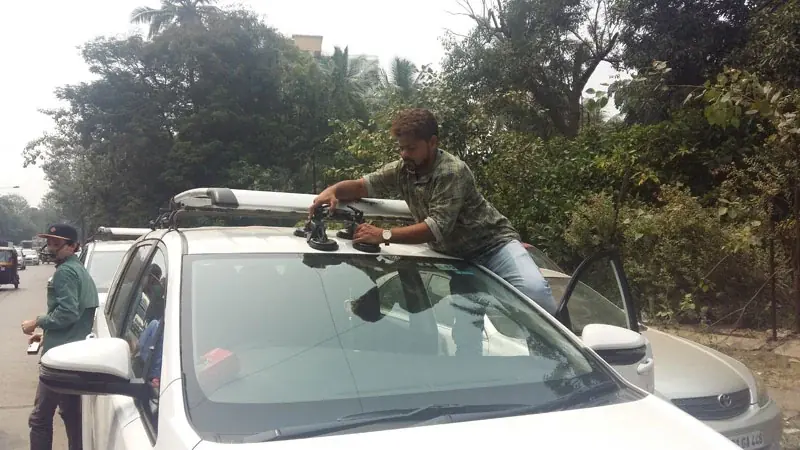
- Transport redundancy: a spare vehicle and a driver who knows the area
- Fixed rest points: meals and breaks written into the schedule, not left to chance
- One daily call: a short briefing each evening for the next day’s plan and the contingency
Permissions in every location
A format that visits ten places can need ten sets of permissions. Some are straightforward; others involve different authorities or local property owners. Map them early, apply well ahead of time and keep a single paperwork file the crew can carry. When rules differ between regions, a local line producer who has done the applications before is worth their fee many times over. The same team can manage fixing and line production across all locations, so there is one plan instead of ten.
Language on set
Travelling formats often involve unscripted conversation with the public. That makes translation part of the production, not a post-production detail. Plan for interpreters in the field, a way to capture releases from people who appear on camera, and transcription afterwards. For a format that includes games or missions in public places, brief any local participants clearly so they understand what is happening and why.
Safety and welfare
Any show with physical challenges, long drives or remote locations needs a safety plan. Cover transport, medical access, weather, hydration, food safety and a protocol for incidents. Identify the nearest medical facility for each location and agree who makes decisions if something goes wrong. See our guide to risk, safety and insurance on shoots in unfamiliar countries for a deeper checklist.
Experience from the portfolio
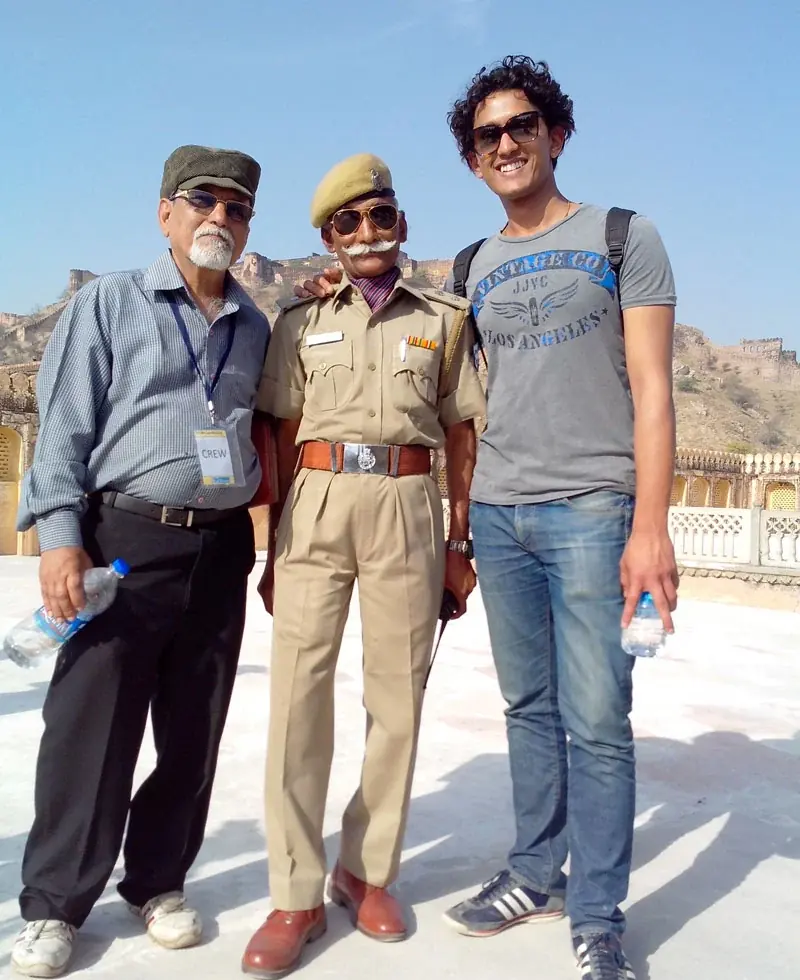
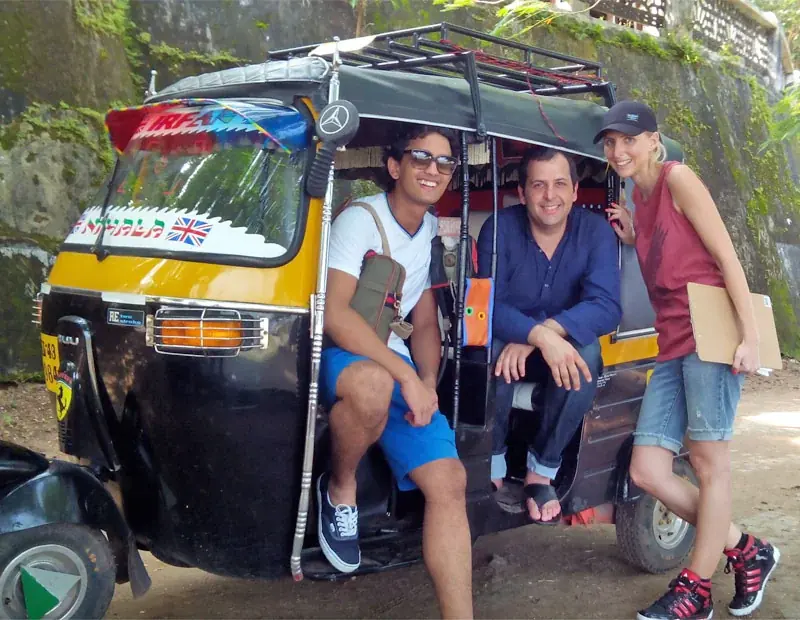
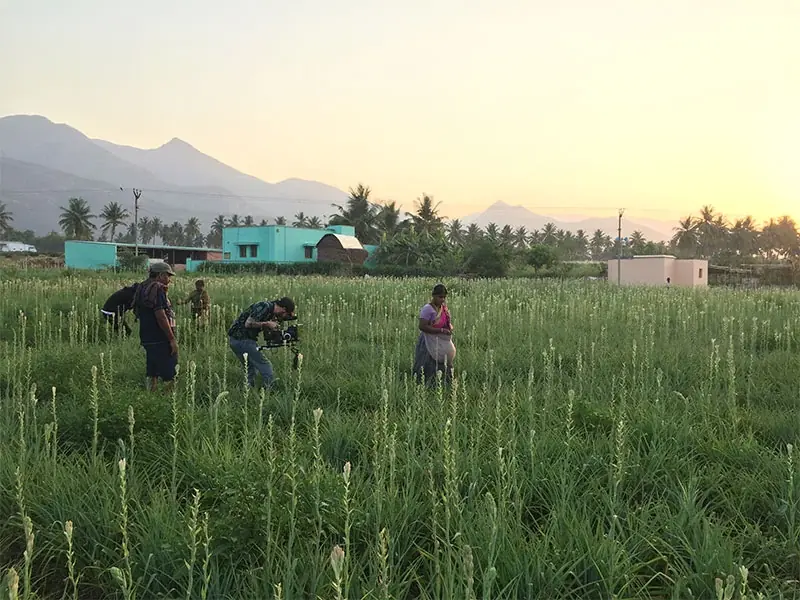
Reality and travel shows are a significant part of our work. When Pekin Express returned to India in 2010, Stand4 helped organise the opening games and advised on production logistics, then supported the production in post with translation and transcription. The Pekin Express project story describes that work in more detail. Our portfolio also lists missions for other travel and reality formats, as well as travel shows from several countries. Every format is different, but the principle is consistent: the audience sees adventure, and the team behind it sees timetables.
Budget for the invisible costs
Travelling formats spend a lot of money on things viewers never see: vehicles, drivers, accommodation, permits, local crew, fuel and contingency days. Ask your production partner for a line-item estimate that separates these from the creative budget. A good estimate also shows where you can save and where cutting is risky. Do not trim contingency; weather and traffic will use it.
A sample preparation sequence
For a multi-location format, preparation usually follows a pattern. Early on, the creative team and the local producer agree the concept and the shape of the route. Next come location research and permissions, with a first draft of the daily schedule. After that, the producer confirms vehicles, accommodation and local crew, then adjusts the schedule to reflect real travel times. Finally, there is a recce or remote walkthrough of key locations, a safety review and a briefing for the full team. The exact weeks vary by project, but each step has a clear output, and each output feeds the next. Skipping the recce is the most common false economy: a route that looks possible on paper can have a closed bridge, a market day or a local event that changes everything.
Common mistakes
- Underestimating driving time. Always add margin for traffic, stops and weather.
- Booking too many locations per day. A format needs time to feel unhurried on screen.
- Leaving translation until the edit. Capture interpreter notes and releases on the day.
- No single owner for the schedule. Changes should flow through one producer.
Handing over to post
A format with many locations produces a large amount of footage. Agree naming, backup and logging before the first day, and ensure every location’s releases are linked to the footage. If the programme is going to be subtitled or adapted for other markets, ask for transcripts while the crew is still in the field.
Questions to ask a partner
- Have you handled a moving production before, and how many locations per day?
- Who owns the daily schedule and the safety plan?
- How do you handle vehicle breakdowns, weather and late permissions?
- What is included in the estimate and what is passed through at cost?
Talk to us
If you are planning a travel or reality format outside your own country, tell us the route you have in mind, your dates and the size of the unit. We will say what is realistic and help shape the plan.
To discuss a shoot, email anshul@stand4productions.com, call or WhatsApp +91 98718 33930, or send your brief through our contact page. We are based in India and work worldwide.